




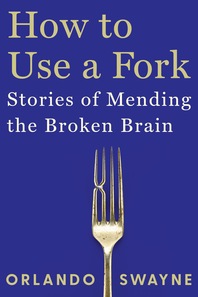
How to Use a Fork
Stories of Mending the Broken Brain
17 November 2026
Territory Rights — Worldwide including Canada, Singapore and Malaysia, but excluding the British Commonwealth and the European Union.
Description
A neurologist illuminates the brain’s capacity to heal after injury in extraordinary tales of human recovery.
Twenty years ago, a stroke or other brain injury was considered a life sentence; doctors in training were taught that a damaged brain never mends. Since then, a quiet revolution in neuroscience has revealed that the brain is far more flexible than previously believed. By forging new networks and remapping damaged circuits, our brains adapt to changed circumstances in ways the old dogma deemed impossible. Yet the clinical care most patients receive has not caught up, denying many thousands the recovery that biology might allow. In How to Use a Fork, leading neurologist and neuroscientist Orlando Swayne shows readers how the brain’s natural capacity for reorganization—or neuroplasticity—can be harnessed to transform patients’ lives, and how much that was once thought irrevocably lost can yet be recovered, if people are given the chance.
Weaving vivid, illustrative stories distilled from his practice with a fascinating look inside the brain, Swayne leads an uplifting journey into the outer reaches of the human experience. We meet a woman who thinks her arm is a baby, a man who sees mannequins peering at him from the dark, and a patient who finds his way back to human interaction through music. In following these journeys we find that, with access to multidisciplinary care informed by the latest science, even the most profoundly affected of patients can fight to regain their identities. As Swayne passionately argues, the brain continues to adapt after injury; now, so must we. If we take up the challenge to channel neuroplasticity to its full potential, we can help more people begin mending what was broken—into something changed, but still beautiful.
The debut of a brilliant new doctor-writer, How to Use a Fork is a moving and hopeful testament to the extraordinary capacities of the brain and the human spirit.
Reviews
"A welcome addition to the noble tradition of Oliver Sacks: Neuroscience, medicine, and vulnerable humanity woven together in intricate and compelling tales from the front line." — Ian Robertson, author of How Confidence Works
"A master class in clinical observation, witty, modest, and enthralling.…Orlando Swayne offers love, joy, and humanity with the eye of a reporter and the soul of a poet. In the strange, sad world of broken brains, this will become a shaft of light and hope." — Robert McCrum, author of My Year Off: Recovering Life After a Stroke
"A beautifully written and deeply humane exploration of one of the most remarkable capacities of the human brain: its ability to rebuild itself after injury. Orlando Swayne shows that recovery is not simply a matter of luck, but of science, perseverance, and hope. An insightful and utterly compelling book." — Adrian Owen, author of Think Before You Think and Into the Gray Zone
"Swayne deserves to join Oliver Sacks and Henry Marsh on the list of top popular neuroscience writers.…For those who struggle in the dark aftermath of brain injury, [How to Use a Fork] will bring serious hope and encouragement." — Melanie Reid, The Times (UK)
"How to Use a Fork is a tribute to the spirit of people faced with calamity." — A. J. Lees, Literary Review
"Like walking hand in hand with Dr. Swayne and his patients.…How to Use a Fork made me ache with hope that even in the darkest places you can find your way back." — Abi Morgan, author of This Is Not a Pity Memoir
"An incredible voyage of discovery…intensely moving and awe-inspiring." — Marina Hyde